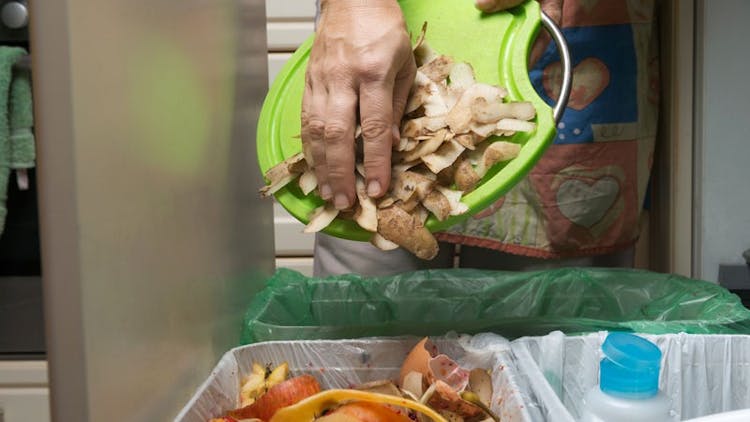
As explained in How To Compost at Home and Why It's Beneficial, composting is an efficient means of dealing with many types of waste generated by the average household. And it’s also a great organic gardening supplement. When done right, it can yield nutrient-rich soil and a healthy garden full of vibrant vegetables and plants.
Below is a quick reference guide on the types of materials that can be safely composted.
Grass clippings
Weeds (greens only – no seeds)
Dead plants
What Leaves Should Not Be Composted
- Poisonous types such as oleander, hemlock, and castor bean can harm soil microorganisms, so add sparingly.
- Acidic Resin types: walnut, eucalyptus, bay, laurel, cypress, juniper, acacia. These are toxic to other plants and soil microbes. Add very sparingly or not at all.
- Tree leaves such as Ash and Poplar/Cottonwood raise the pH, making alkaline soil even more alkaline. Semiarid and arid climates are abundant in alkaline soil. Conversely, rhubarb leaves' oxalic acid lowers pH, so will make acid soil even more acidic. Add sparingly unless you know your soil pH and need to raise or lower it remedially.
- Thoroughly chop fibrous leaves such as magnolia, laurel, and rhododendron to compost them more quickly. Left as is, they take their time.
- Diseased and insect-infested materials should be kept out entirely. Look for leaves with rust, fungus, mildew, or pest infestation. Burn these if possible, bag (NF129) for pick up, or take to a landfill.