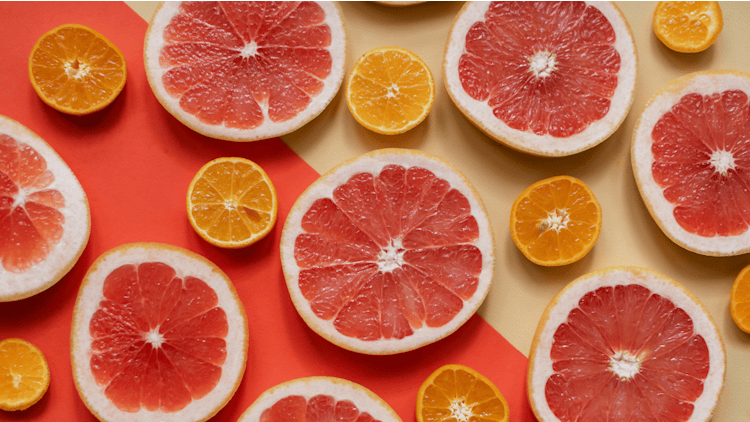
Citrus can easily be added to any meal plan for tasty vitamin C recipes that are rich in that immune-boosting nutrient. Some vitamin C recipes include green salads, grain bowls, and drinks; jams and marmalade; or cakes and muffins. You can even use vitamin C foods such as citrus fruits in marinades to flavor and tenderize meats and vegetables. Citrus juice mixed with a good oil also makes for a wonderful, yet simple vitamin C recipe for salad dressing. Bottom line: The possibilities of vitamin C recipes with citrus fruits are nearly endless; just use your imagination!
In my family, peeling an orange and munching on the sweet segments as a morning snack or after school treat is a big win. But citrus fruits are versatile and can be enjoyed in numerous ways and in numerous vitamin C recipes.
That’s the beauty – and the joy – of these colorful little blessings.
How to Use Citrus Fruits & Vitamin C Recipes
Limes (QP061)
A hybrid stemming from the papeda, limes developed in the tropical regions of Indonesia or southeast Asia. Limes grow year-round and produce several harvests annually.
There are several different kinds of limes, but the typical lime sold in the U.S. is a small, round or slightly ellipsoidal, dark green fruit with lighter green flesh inside. Limes have relatively thin skins that are hard to peel and contain less juice than other citrus fruits. They also have a strong sour flavor that is similar to a lemon, but with notes of pine and grass, and a floral yet slightly spicy aroma. Their high vitamin C content and many polyphenols and terpenes contained in the flesh and peel make them very good for you.
Limes are commonly used in Mexican, Thai and Vietnamese cuisine. Fresh-squeezed lime makes delicious limeade or a burst of flavor to other beverages.
Try adding lime juice and zest to this homemade avocado ice cream for a delicious tang.
Lemons (QP058)
Like limes, lemons are available year-round. The two most common varieties of lemons are Eureka and Lisbon. They can range from small to medium in size and have a fairly thick, textured, bright yellow skin, and lighter yellow pulp inside. And here’s a fun fact: Lemons are a hybrid between the citron and a bitter orange (itself a hybrid, too).
Lemons are known for their high vitamin C content but also for their potent acids and volatile essential oils. This makes them a well-known addition to cleaners and perfumes. Soaps and detergents often use the lemon essential oil, known as cedro oil, in their ingredients. Lemon juice is a powerful kitchen deodorizer that can cut through grease and wax, bleach stains, polish wood, and disinfect. When mixed with baking soda, it even removes stains from plastic food storage containers.
Because they have an intensely sour taste, lemons are rarely eaten out of hand. Instead, they are used in smaller quantities in a variety of vitamin C recipes, especially in combination with other herbs and spices. Of course, the juice, rind, and zest can all be used.
Lemon juice is used to make refreshing beverages, such as lemonade, soft drinks, Arnold Palmers, the well-known Master Cleanse as well as other health elixirs and home remedies. The acids in lemon stimulate the body’s production of digestive juices and also help the body detoxify and get rid of waste products.
I often use lemon juice as a short-term preservative to prevent unsightly browning of apples, avocados and bananas. Lemon juice mixed with olive oil also makes a wonderfully simple dressing for salads.
Add lemons to a variety of vitamin C recipes that can benefit from it’s refreshing taste, such as these delicious lemon raspberry muffins.
Meyer Lemons (QP389)
A cross between a lemon and possibly an orange or mandarin, the Meyer lemon gets its name from Frank Meyer who first introduced it to the U.S. in the early 1900s.
Meyer lemons look a lot like regular lemons but tend to be smaller with a thinner, softer skin. They are also a lot less sour than a lemon, which means they are often enjoyed raw in salads and grain bowls. The smell of Meyer lemons is also different than regular lemons with a spice-like aroma of bergamot.
Because Meyer lemons are more delicate than the regular, thicker skinned lemons, they are costly to ship and store. And don't expect to see Meyer lemons year-round; they are only available from November to March. Enjoy them while you can!
Try them in this couscous with citrus recipe.
Mandarins (QP387)
Sometimes called tangerines, the mandarin orange is one of the original four citrus species found in the wild. Because it is so easy to graft and hybridize mandarins, there are numerous different varieties that share several traits.
Clementine, Dancy, Encore, Fremont, Honey, Kara, Kinnow, Mediterranean, Pixie, Ponkan, Satsuma, and Wilking are just a few of the varieties we enjoy. Each type of mandarin has different seasonal availability.
Mandarins are also fairly loose-skinned fruits that are easy to peel with your hands. A smaller fruit than its cousin the orange, mandarins boast a sweeter taste.
Try mandarins in this Asian orange sesame chicken salad, itself a nutrition-packed vitamin C recipe that can’t be beat.
Sweet Oranges, Navel and Valencia (QP251)
Did you know the orange does not get its name from its color, but the color gets its name from the orange? The name “orange” comes from the Sanskrit word naranga, which means “fragrant.” Naranga morphed to naranj in Persian, aurantium in Latin and arancia in Italian. This later became orange in French and English. Orange you glad you know that now?
But I digress. Sweet oranges are thought to be a hybrid of the pomelo and mandarin. There are a few different varieties of sweet oranges on the market today, including Valencia oranges, named for the city in Spain, and Navel oranges, named for the navel-like feature opposite their stem.
Valencia oranges grow in the summer months, from about March through September. They lack a “navel,” have thinner skin and contain some seeds. They are very juicy and great for fresh pressing. They make for a delicious fresh-squeezed juice on a hot summer day!
What are Navel Oranges?
Navel oranges are easily distinguished by the feature — the “navel” — that gives them their name. When peeling a navel orange, you will find a tiny undeveloped “twin” fruit opposite the stem. From the outside, this small second fruit looks like a human navel. Navel oranges have other distinct characteristics as well. They have thick skin that is easy to peel, are typically seedless, and have a great, juicy taste. They are delicious eaten fresh, added to salads, and used in cooking and baking.
Oranges are some of the healthiest fruits you can eat, filled with vitamins C, B6 and A, fiber, folate, calcium, potassium and many different antioxidants such as beta-carotene and hesperidin, which has powerful anti-inflammatory properties. Regularly consuming oranges may protect you against heart disease, cancer and diabetes while also helping to improve memory, strengthen your immune system and boost your overall health.
Because oranges are fairly large, they also contain a good amount of fiber that can help improve digestion, keep you feeling full longer, and mop up “bad” cholesterol. All of that from a little orange? Nature is awesome.
Use fresh-squeezed orange juice to make these hearty breakfast muffins.
Blood Oranges (QP603)
Blood oranges are a naturally mutated variety of oranges originating in Sicily and Spain. They are named for their deep, crimson red, inner pulpy flesh. Sometimes there is a bright red blush on the exterior rind as well depending on the variety of blood orange, but some blood oranges can also look like a Valencia orange on the outside.
Like regular oranges, blood oranges are high in vitamin C, potassium, dietary fiber, carotenoids, and polyphenols. But they are also packed full of anthocyanins — the pigments that give them their distinctive dark red, blood-colored flesh. Anthocyanins are a family of powerful antioxidants that can be found in many berries, fruits, vegetables and flowers, but typically not in citrus fruits.
Flavonoid phytonutrients help prevent oxidative stress from free radicals and also reduce inflammation in the body. Anthocyanins also contribute to the distinct and delicious flavor of blood oranges. They tend to be more flavorful and less acidic than regular oranges, but with a bit more bitterness and wonderful hints of raspberry. Use blood oranges as you would regular oranges in a variety of vitamin C recipes.
They are particularly great in fruit salads, grain bowls, juiced, in marmalades and sauces, or in desserts such as this citrus coconut rice pudding.
Grapefruit (QP025)
This hybrid species of citrus fruits is thought to have accidentally originated on the island of Barbados around the mid-1700s from a cross between a sweet orange and a pomelo.
Grapefruits are bigger than oranges, but smaller than the very large pomelos. They also differ from oranges in taste and have more bitterness thanks to mercaptan, a sulfur-containing terpene, that is present in larger quantities in the grapefruit.
Additional varieties of grapefruit were developed mainly in Florida and Texas, and today we have blonde, pink and red grapefruits. Red grapefruits are highly popular because they tend to be sweeter than the pink and white varieties and also contain beneficial antioxidants.
Regardless of color or flavor, all grapefruits are very good for you. Like all citrus fruits, they are rich in protective vitamin C, pectin (a cholesterol reducing fiber), and phytonutrients. Grapefruit are usually eaten by cutting them in half and scooping out the flesh, often with a little sugar added to relieve the bitterness. It’s probably the most simple and beneficial vitamin C recipes I can tell you about.
But they can also be squeezed for juice, and added to grain bowls, salads, and drinks. One of our favorite ways to enjoy grapefruit in winter is to broil them and eat them warm!
Oh, and before I forget, all citrus fruits have powerful oils in their peels that can be used to make all-purpose, non-toxic household cleaners. So, don’t throw away those peels!