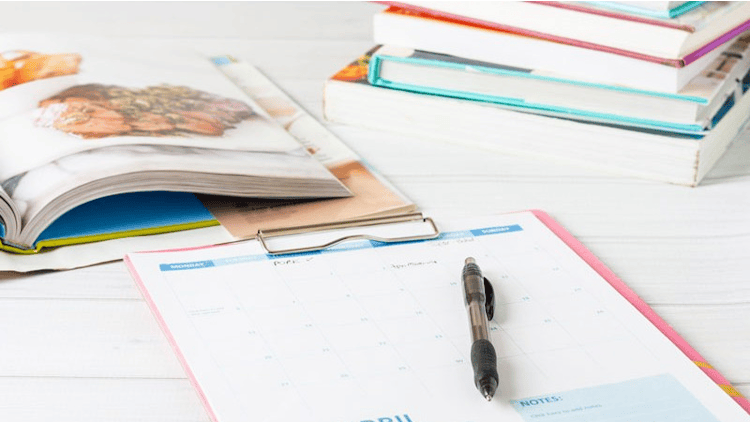
Meal planning is a way to organize all your food-related activities from shopping to preparing to actual cooking to eating to clean up. But the real beauty of meal planning is that there are no rules! It is flexible and adaptable, and you can structure your plan to achieve your own personal goals, from saving money by eating mostly home-cooked meals, to boosting health by eating a wider variety of nutrient-dense foods; from eliminating impulse buys and last-minute fast food meals to improving relationships in the family by spending more time together; or decreasing stress by knowing ahead exactly what's for dinner.
Shopping Azure's catalog online from the comfort of your own home can help you do all of the above, plus it also eliminates the stress of grocery store shopping during rush hour or when you are tired after a long day at work!
If you have ever wanted to get your food shopping and meal preparation organized and under control, know that meal planning takes a bit of time, effort and thinking up front, but once done, executing your plan is easier than you might expect.
To get started, simply jot down all of your family's favorite meals. Ask your kids and spouse what they like to eat and come up with a "Master List" of your family's favorite meals. It's okay if some of the meals are very rough ideas such as sandwiches or pizza or packed lunches for school.
Once you have your basic list, consider how frequently you will be ordering from Azure to decide how many days (and meals per day) your plan should cover. A weekly plan is usually a manageable plan - especially if you are just starting out or if you enjoy eating mostly freshly prepared foods (since food typically lasts one week in the fridge) - and can be repeated over and over with slight variations, but you can also plan a whole month of unique meals at a time if you want.
Use a whiteboard, journal, calendar or any other visual aid that you like and write the days of the week in a column on the left. Then write the meals you want to plan across the top: breakfast, lunch, dinner, dessert, snacks.
1. Get Inspired!
Look at your Master List. You might find that you only have a dozen or so meals that you regularly eat and rotate through again and again. This is a great time to find some inspiration! Consider where you could easily add variety and try new things. See where you can make easy substitutions by swapping out vegetables, grains or other components. For example, instead of always making your pesto with pine nuts and basil, try it with hazelnuts and arugula, or sunflower seeds and kale. Instead of always having pinto beans and white rice burritos, try Adzuki beans and wild rice, or black-eyed peas and sweet brown rice. Instead of making hummus only from garbanzo beans, why not try red lentils or white beans? Browse recipe books or foodie blogs or start a Pinterest board with ideas that appeal to your family's palate. Follow Azure's Pinterest boards for inspiration and recipes!
Add whatever alternative ingredients sound good to your list next to the original meal idea. Be creative, but also realistic. Don't be afraid to substitute ingredients in your recipes, but also don't plan to completely revamp your food preferences all at once. Planning on 1-2 new ingredients for new meal variations a week is plenty.
2. Create Weekly and Seasonal Rhythms.
Now that you have a good Master List with your favorite meals and alternative ideas, it is time to make a rhythm for meal planning. Commit a time to planning and a time to shopping. By having a set day of the week set aside for planning, you will make your shopping day a lot more efficient. Deepen your connection to nature by considering the season and your "food mood."
Winter might mean lots of soups, stews and casseroles, while summer might mean more fresh green salads, grilling and lighter fare. Look at the substitutions and additions on your family favorite Master List and incorporate in-season produce as much as you can. This will ensure that you eat a variety of in-season food throughout the year with maximum nutrition and freshness. Love pizza? In summer, you can make it with fresh tomato sauce and basil, but in winter, why not top it with thinly sliced delicata squash, kale and hazelnuts from your pantry?
3. Have Themes that Let You Be Creative.
A popular approach to meal planning is based on themes. Look at your family's Master List and see how you can group your favorite meal ideas together. You might find that you particularly enjoy Italian food or Tex Mex or Asian flavors. Alternatively, you might find that it makes more sense to group recipes by preparation method such as casserole and egg bake, soup or stew, crockpot meal or stir fry.
Create a few themes of meals and repeat those across your plan. Each theme will allow for a variety of dishes made from similar ingredients and the alternatives you want to experiment with. For example, Mexican Monday can include tacos, burritos, enchiladas, quesadillas or fajitas. In each case you know you will need basics such as tortillas, rice, beans, ground beef or chicken, cheese and salsa. Mix things up and introduce new flavors by adding seasonal veggies. How about tacos with cut up steak and chipotle-glazed roasted root veggies? Or bean and rice burritos made with wild rice, black-eyed peas and mango habanero sauce?
4. Keep a Stocked Pantry.
Referring to your Master List of favorite family meals (and the alternatives you want to try), look for commonly used dry ingredients to decide what Azure Market bulk foods you need to stock in your pantry. Buy your favorite items in bulk for the best value, and any new items you want to experiment with in smaller quantities to try out first. Keep in mind that sometimes the family, especially children, need multiple exposures (between 5-10) before they accept a new food. This is normal, so don't be discouraged if the kids seem less than thrilled about a new meal variation the first couple of times.
Don't forget about other shelf-stable staples such as healthy oils, sweeteners, seasonings and spices. Always having your basic staples on hand means you won't have to run to the store for a bag of beans or rice, a jar of spice or a brick of cheese. Once your pantry is stocked, future shopping becomes easy. Instead of shopping for specific ingredients for recipes, all you need to focus on is restocking the pantry with your preferred staples and the occasional new items you want to try out. As you find new flavors you enjoy, add them into the rotation in bigger quantities to get better value.
5. Keep a Stocked Freezer.
Use your Master List to identify what kinds of frozen things you should keep on hand. Your freezer is great for storing your favorite cuts of meat, whole chickens, salmon fillets, frozen produce (ideally purchased cheaply at the height of the season and processed for later use), and your prepared-ahead frozen meals (see Tip #9). In your meal plan, make a note about whatever needs to be thawed so that you take it out of the freezer in time. For example, if you are planning to roast a whole chicken on Sunday, make a note to pull it out of the freezer on Friday.
6. Buy What's on Sale.
To save money, always shop the bi-monthly sales magazine. Look for your favorites on sale and stock up if they are non-perishable or can be processed and preserved somehow. Look for sales when deciding what new-to-you food to try out. This helps you keep a stocked pantry and freezer at all times, and saves you globs of money. Having a Master List with alternative ingredients also lets you take advantage of sales in a way that a rigid meal plan with specific ingredients does not allow.
7. Plan on Planned-overs.
Once you have figured out the meals you want to cook, and the foods you will be stocking in your pantry and freezer, it is time to be strategic about the cooking itself!
One of our favorite meal planning strategies is to cook once, but eat twice (or more). Look at your Master List and determine which dinners will also make delicious lunches. These meals must either reheat well or be delicious cold, be easy to pack and easy to eat at a desk. When scheduling such a meal for dinner, automatically pencil it in as lunch for the next day. Make a note to yourself to double up on dinner and make packing lunches part of that evening's activities. Packing your lunch directly from the dinner pot into your lunch container is often more appetizing than packing previously picked at food. It also eliminates the scramble in the morning.
The aesthetics of food is important and will make you look forward to your meal. Think of your lunch as an additional place setting and take the time to attractively arrange it into your lunch container.
Garnish as you please and make yourself look forward to opening up your container the next day. The next morning, just grab your pre-packed lunch and thank yourself for being so thoughtful!
8. Cook Components of Your Meals Ahead.
Another way to use the cook-once-eat-twice technique is to cook bigger batches of meal components (such as grains, beans, lentils, rice) that can be mixed and matched in different ways. Looking at your Master List, identify which of your favorite meals have the same ingredients and schedule them on consecutive days.
For example, cook a double (or triple) batch of rice. Use part for dinner and turn some into a porridge for breakfast the next day as well as into kheer (sweet rice pudding) for dessert.
Or, if your family enjoys both roast beef and tacos, you can cook a big roast for dinner one night and plan on using the leftovers the next day for carne asada taco dinner. If you roast a chicken one day, serve cold chicken salad the next day, and use the carcass for chicken soup the day after that. When cooking a dinner meal, think ahead about how the ingredients can be reworked into other meals and prepare extra for the next few days' meals.
9. Make Extra and Freeze.
Finally, a third way to save time in the kitchen is to do batch cooking where you double or triple or quadruple recipes and freeze for later in the month. This strategy works well with one dish meals such as soups, chilis, casseroles, lasagna, and meatloaf. Most of these cooked dishes will keep for 2-3 months in the freezer.
You can also batch cook and freeze stand alone ingredients that you can use later for various purposes such as plain grilled chicken breasts, browned ground beef, cooked breakfast sausage, spaghetti sauce and pesto. Other things that freeze well are enchiladas such as these been and rice enchiladas, muffins, waffles, pancakes, and pie crust dough (thaw and roll out). Be sure to label and date your frozen meals and pencil them into your meal planning calendar up to 2-3 months into the future, so you remember to take them out and thaw them in time.
10. Have a Surprise Day!
Meal planning helps minimize food waste. Plan for a weekly “Surprise Day” in order to use up whatever perishables are in the fridge at the end of the week. Veggies that are a bit past their prime can easily be turned into nourishing soups or frittatas. Got a small piece of cheese? Grate it and make it a quiche instead of a frittata. Commit to emptying out your veggies crisper drawer before you buy more fresh produce or your next Azure order arrives, and you will likely amaze yourself with your own creativity.
Use the above tips to create an efficient, functional meal plan that will save you time in the kitchen and money on your grocery bill. Once your plan is complete, simply pop online and fill your Azure cart with all the things you need to keep a stocked pantry and freezer that will help you always have everything you need on hand for delicious, nourishing meals for your family.