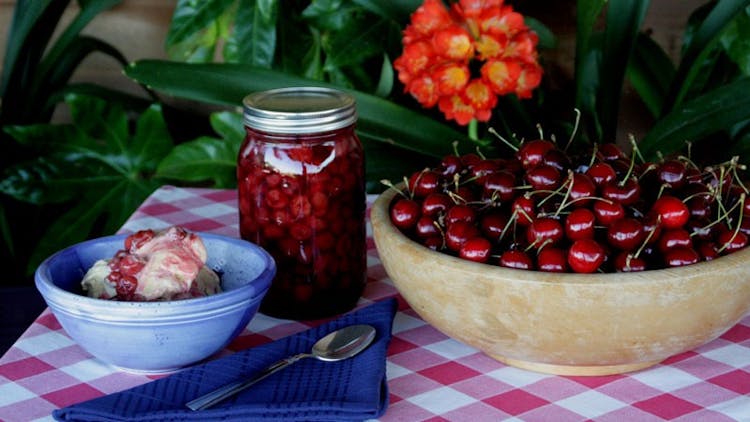
It’s that time of year again — time to overcome the reluctance to heat up the house during hot weather and get out the canning gear. If you’re a dedicated food canner, you probably have neighbors or friends who can’t understand why anyone would go to all that trouble when canned goods are abundant in every grocery store.
Canners “put up” food for several reasons, but there are a couple of reasons that stand out. One is economy. Most people have noticed that food prices have increased over last year and in some cases, substantially. Astute observers of global financial policies are betting that trend will continue, which means you make money on any foods that you buy this year and preserve for future consumption.
Another compelling reason is confidence in the quality of the food your family may have to rely on later. This is especially true if you’re canning food that you either grew yourself or purchased from a source whose growing and harvesting methods you trust and know to be clean and chemical-free. You simply can’t say that for a can of food you buy in a grocery store. Here's how to can your own food.
GETTING STARTED | CANNING YOUR OWN FOOD
If you’ve decided to forge ahead and start canning, depending on your budget, your startup list can be simple and short or more complex. Some of your equipment decisions may depend on what you intend to can. According to updated USDA standards, pressure canning is always the safest. However, there are many thousands of home canners who do not use a pressure cooker for everything. It is a more technical method and can be somewhat daunting for novice canners.
The basic principles of canning your own food are:
1. Good quality clean foods — The fresher, the better. And remember that when you cook down fruits in particular (which includes tomatoes), you are removing moisture. This concentrates all the remaining elements such as color, fiber, some nutrients and sugars, but also concentrates any petroleum-based fertilizers, herbicides or insecticides that may have been used. That’s why I strongly recommend canning only organically grown fruits and vegetables. Agricultural chemicals do NOT cook off.
2. Clean sterilized jars, lids and tools — Bacterial contamination can occur on any surface coming into the slightest contact with food, so tools such as funnels, spoons or ladles — anything that could possibly touch the food that’s being canned — should be sterilized and kept free of debris.
3. Processing temperature of 240-250 degrees
4. Sufficient time — Along with high enough heat, safe processing requires enough time. High heat won’t instantly kill harmful bacteria, but enough time at high heat will. The length of time will vary depending on altitude, jar size and the food you’re canning.
CANNING FOOD EQUIPMENT LIST
Aside from the usual complement of standard kitchen tools, such as measuring cups and spoons, cooling racks, sauce pans, a kitchen timer and the like, there are a few items specific to canning that you will need in order to preserve your food safely and more easily.
A pressure canner (different from a pressure cooker) is highly recommended for low-acid vegetables, such as green beans, poultry, meat, seafood, or processed entrees such as chili or stew. Using it is more involved than a water bath canner, so if this is your first attempt, you may want to consider starting with acidic foods.
A water bath canner is sufficient for acid foods such as tomatoes and tomato products, relishes, pickles, jams, jellies and all tree fruit. A canner with a ridged bottom will not work well on a ceramic top range, and only slightly better on an electric element range. Either flat or ridged bottom canners will work well on gas burners. To ensure uniform processing of all jars, the canner should not extend more than two inches past the edge of the burner at any given point.
A stainless steel stockpot — It should be flat, not ridged on the bottom, and should not extend past the burner by more than 1 inch. Foods are likely to burn on the bottom of a ridged pot.
Canning jars come in several sizes in regular or wide mouth. The most commonly used sizes are pints and quarts and many home canners prefer wide mouth to regular. Half pints are often used for jams and jellies. Only use jars specifically made for canning. Unlike mayonnaise jars and the like, they have been heat tempered and are much less likely to break.
Canning lids with bands come with new canning jars, but if you’ve stumbled upon a killer deal on canning jars at a yard sale, you’ll need to get new lids and probably new bands as well. Lids and bands can be purchased together separate from jars, as well as lids alone. The metal Ball and Kerr lids are designed for single use, so you will need new lids for re-using your jars whether or not you have purchased them new. They are designed for indefinite use and only the separate rubber seal is replaced. The lids are BPA-free, dishwasher safe, can be used for water bath or pressure canning and are made in the USA. Azure sells a bevy of canning goods and supplies including products from Orchard Road, Ball and Norpro.
A good stainless steel funnel with an ample bowl is a must (HA025). A nice wide bowl helps keep the top rim of the jar clean and free of food debris. Your aim doesn’t have to be so precise. A funnel/strainer combo might also be handy for processing seedy berries (HA054).
A jar lifter helps reduce the risk of burns as it is sized specifically for canning jars (HA082).
I love my lid sterilizing rack. It holds 12 regular or wide mouth lids and makes washing and sterilizing a whole lot easier.
Another really handy tool for taking lids out of boiling water is the magnetic lid wand (HA085). It’s about 7 inches long with a strong magnet at the end. It sure beats trying to retrieve lids with a pair of tongs.
Wooden spoons are a better choice than metal for highly acidic or very alkaline light colored foods, since the metal may cause discoloration. The same would apply to knives, so if the food is soft, a plastic knife can be used.
An optional canning element for electric ranges with a heavy-duty coil support is made specifically to accommodate the weight of a full canner, unlike many standard issue burner elements. If your electric range burners are a bit flimsy, a canning element may help prevent damage to your range top.
WHAT FOOD TO CAN
Pretty much anything you see in a can on the grocery store shelf, you can produce more healthfully and economically at home. There are detailed instructions available for everything from fruit to seafood and myriad books and blogs dedicated to canning recipes and accompanying instructions. (Note: Canning recipes are separate from canning instructions. Canning recipes address food preparation, while canning instructions address processing.)
A good place to start when deciding what to can is to take a look at what you buy from your local grocery store most often. Tomato products are used in a wide variety of dishes and are some of the easier foods to can.
If you have a bounty of a particular crop from your garden or a neighbor shares their bounty, you might consider canning it instead of simply refrigerating it until it’s ready to throw on the compost pile or freezing it.
Speaking of freezing, it’s easy to be tempted to just throw excess fresh fruits and vegetables into a freezer bag and be done with it. And frankly, with the hot temperatures we’ve had this year, I can completely understand the reluctance to heat up the house by canning, especially if you don’t have air-conditioning! While it’s preferable to can fresh foods, frozen foods can also be canned later in the year when the weather is cooler and a warm house is more appealing.
The same principles of canning apply, but it’s best to thaw frozen foods before throwing them in a stockpot. This will allow water and/or juice to drain off and reduce the cooking time needed.
WATER BATH CANNING
Water bath canning is probably the most commonly used canning method. Part of the reason may be due to startup costs: Water bath canners run about $30-$40, whereas pressure canners range from $80-$200 or more. For fruits and vegetables, water bath canning is sufficient.
So, let’s jump in!
1. Gather equipment and supplies: the water bath canning pot, jars, lids, bands, funnel, jar lifter, etc.
2. Sterilize jars. It’s always good practice to pre-sterilize jars and lids before canning. The USDA recommends submerging them in a boiling-water canner and keeping them there until it’s time for use.
3. Fill canner about ½ to ⅔ with water and place it over the largest front burner. If you have a shaped wire rack with handles that fit the sides of the canner, bringing it to a raised position, do that now.
4. Preheat water on med/low to med/high depending on your range — just short of boiling (180-200 degrees).
5. While jars, lids, and bands are sanitizing and the canner is preheating, prepare the food according to a recipe or according to instructions from a reference guide. Or try my recipe for Homemade Tart Cherry Pie Filling.
6. Pack food into sterilized jars. (Hint: When packing cored or pitted fruits such as pears or peaches, pack with the core or pit side down. This will enable you to fit more into the jar.) If canning fruit with syrup, add syrup after fruit is fully packed. Release any air bubbles by sliding a knife down the side of the jar. If you’re concerned about discoloration on light foods such as pears, apples or potatoes, use a wooden or plastic knife.
7. Wipe the jar rim with a slightly damp clean cloth. Use a new clean area of the cloth for each jar.
8. Take a lid from the boiling water (this is where a lid wand comes in really handy) and place it on the jar. Do the same with a band and screw it down tightly.
9. Place the jar in the canner using a jar lifter, making sure that it is securely positioned below the neck of the jar. Continue the process until the canner is full. The capacity of water bath canners is typically seven quart jars or seven pint jars.
10. If you have a rack that is in the raised position, lower the rack carefully into the water and place the lid on the canner. The water should be one to two inches above the tops of the jars. Having an additional pot of hot water ready to add if need be is easier than having to take water out or having it overflow onto the stove as jars are placed into the canner.
11. Turn up the burner to high and bring the water to a boil.
12. When the water is boiling, reduce heat just enough to maintain a low rolling boil (at least 240 degrees). If you are using a precision induction cook top, set the temperature at 250.
13. Set your kitchen timer according to the recipe/processing recommendations.
14. When the timer completes its cycle, turn off the burner and carefully remove the canner lid. Note: If you are using a range hood fan during processing, turn it off before removing the canner lid to avoid drawing cold air across the open canner.
15. After removing the canner lid, lift the rack (if you have a position-able one) into the upper position and let stand for five minutes. If you do not, let stand for 10-15 minutes.
16. Remove jars with the jar lifter, place on cooling racks, wait and listen for the lid domes to depress. Do not push the lid dome down manually. Lids that pop on their own are the sound of gratification, knowing that your jars are properly sealed and you’ve been successful. Note: Do NOT reprocess jars that don’t seal. Refrigerate them after they have cooled thoroughly and plan to use them soon. The recipe will still taste great!
17. Gingerly pat yourself on the back, taking care not to dislocate your shoulder!
After the jars have cooled, label each one including the contents and the canning date. Store your canned goods in a cool dark place. While you may be tempted to proudly display your achievement, atop your kitchen cabinets in the soffit area is not recommended.
PRESSURE CANNING
If the higher cost of pressure canners isn’t a deterrent, fear might be. Many of us can remember getting chased out of the kitchen when Grandma was using the pressure canner. If we were reluctant to leave, horror stories and threats of bodily injury or even death added extra motivation.
Fortunately, pressure canners have improved since then and are generally safer than the ones our grandmothers and mothers used. The heavy-walled kettles with proportionately heavy potentially deadly projectiles have given way to lightweight, thin-walled kettles with automatic vent/cover locks, steam vents, and safety fuses.
That being said, pressure canning is still more technical than water bath canning, and the following conditions are just a few examples of the processing errors that can result when using a pressure canner:
- Adjustments in pressure for altitude not being made. (Internal canner pressures and therefore temperatures are lower at higher altitudes.) Check reliable reference guides for altitude adjustments. Instructions included with the canner will likely have this information as well.
- Air trapped in the closed canner during processing. This lowers the pressure and results in under-processing. The USDA recommends that pressure canners be vented 10 minutes before being pressurized.
- Using an inaccurate dial gauge. If it reads high or low by more than two pounds, it is not safe to use and should be replaced. If it’s less than two pounds, adjustments can be made to compensate.
CANNING AT HOME
If you have a ceramic top range, you should check with the manufacturer to make sure that it’s safe for home canning. If not, you will have to make alternative arrangements. Perhaps a relative, friend or neighbor would be willing to share the venture for a share of the food. Home canned goods make great gifts and are easily shared.
Outdoor canning is an alternative for some home canners who want to avoid heating up the house, especially during hot weather. A couple of our customers have purchased the SilverFire Super Dragon rocket stove for that purpose. It’s fueled using biomass (basically sticks and twigs), and the fan on this model offers temperature control that other rocket stoves don’t. (The fan is AC/DC powered.) Outdoor canning, however, can have its own challenges, not the least of which is cleanliness.
While it is not for the faint of heart, a well-designed outdoor kitchen area can help overcome many of those hurdles.
CLOSING THOUGHTS
Most of our grandmothers considered canning essential to providential living — a necessary life skill. With the increasing numbers of pre-packaged foods flooding the markets in the 1950s and ‘60s, canning fell by the wayside in many homes, my own childhood home included.
I believe we are paying a price for that in the loss of personal health and self-sufficiency. In Grandma’s day, being housebound for a couple weeks waiting for weather to clear wasn’t usually a cause for panic.
In contrast, as of a couple winters ago when our area lost power for four days, there were neighbors who drove into town and checked into a motel after just one day.
The easy availability of food and the technology that makes that all possible has resulted in much of our society being essentially on life support, depending on someone else for their life’s necessities. So, before you think about NOT canning, give some thought to the plight of your family should the plug get pulled.
Yes, canning is time-consuming and hot work, but it’s worth it in the end.
Now it's your turn! Try this Homemade Tart Cherry Pie Filling recipe with your canning-at-home adventure.