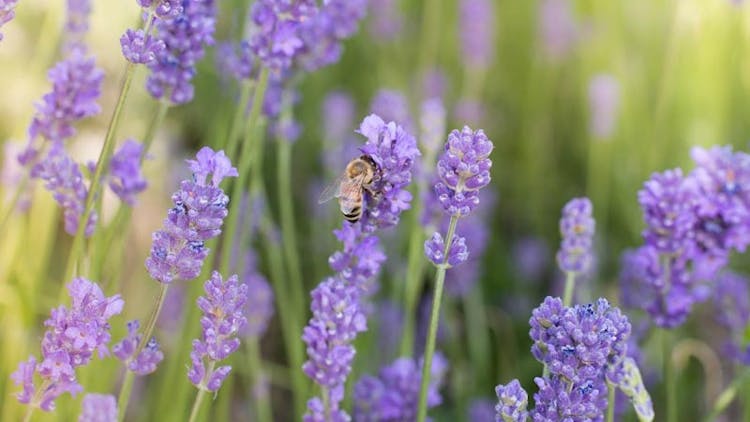
It is getting to be that time of year again, when we all get excited about planting our home gardens, digging our hands into the soil, and deciding which vegetables and herbs to grow. For any gardener, young and old, it is always heartening to see sunlight spawn new life in all of the green plants that we rely on for nutrition.
As Azure’s Greenhouse Manager, I often get visitors that ask a lot of questions about the best way to grow home gardens and get high productivity.
This is a nuanced topic with lots of variables such as physical soil structure, chemical soil analysis, crop needs, pH balance, hours of sunlight, soil temperature, air temperature, crop genetics and the list goes on. Suffice it to say, it is nearly impossible to develop a one-size-fits-all recipe for everyone. Just like with snowflakes, no two gardens are alike. What works in one region of the country, may not work in another. But that shouldn’t detract you from making a go of it with your organic garden.
While there is a science to it, it can be learned. Through trial and error, plants blossom, vegetables are harvested and nutritious food nurtures loved ones at the table.
I encourage all of you to read books such as “The Seed Garden” (BK539) which gives great pointers on gardening, saving seeds and harvesting techniques. Acres magazine is another wonderful source of valid information on how to grow healthy crops.
Getting started and making the most of your home garden begins with three ingredients. A healthy productive garden starts with properly cared for soil, but as any gardener knows, there’s also sunlight and water. It is these three ingredients — soil, water and sunlight — that are essential to a happy home garden. Nutrient uptake into plants and the production of nutrient-dense yields start with well-balanced nutrients in the soil.
Healthy, Organic Soil for Backyard Gardeners
A few years ago, I played around with two recipes that I’ve used on many different soil types. The first recipe works great on most soils once they have been deep cultivated, turned and rototilled. If you have a home garden that hasn’t performed well in the past or if you are turning over a new pasture, you can use these organic ingredients to boost your garden’s productivity.
HOME GARDENING SOIL RECIPE
1 yard compost/100 ft2
25 lb Rock Dust (GP041)
10 lb Kelp (GP002)
15 lb Chicken Manure (GP272)
10 lb Lime (GP090)
10 lb Gypsum (GP256)
For those of you that wish to create a raised bed, or don’t have ample space for a home garden, I’ve included the container garden recipe.
I’ve used this for a number of years to grow hot peppers on my porch and patio, salad greens in small pots, herbs indoors, root crops in raised beds, or broccoli in the spring before the ground warms. It works great in all types of containers.
CONTAINER GARDENING SOIL RECIPE
1 Part Compost
1 Part Sand/Soil
¼ Part Rock Dust (GP041)
1/24 Part Chicken Manure (GP272)
1/8 Part Lime (GP090)
1/8 part Gypsum (GP256)
1/12 Part Kelp (GP002)
These recipes provide a solid foundation for most gardens, but that is not the end of the story. Gardening is a hands-on job and requires vigilance and oversight. Once the crops are growing, it can be helpful from time to time to address any additionally needed nutrition. Often these are provided in the form of liquid fish and/or humic acid, which can address any nitrogen deficiencies (yellowing leaves or slow growth).
Kelp and fulvic acid sprays as a foliar feed can also be extremely helpful as they supply more than 70 micronutrients that plants need to develop their genetics properly. They also help to increase the production and nutritional content of your crops.
Maximizing Your Garden Space
Once your home garden production is up and running, you may want to increase the productivity of the space. Companion planting is one interesting way to increase your productivity per square foot.
Known by the scientific community as allelopathy, companion planting is a complex subject worth years of professional research. To put it simply, it is the planting of different crops in proximity for pest control, pollination, providing habitat for beneficial creatures, maximizing use of space, and to otherwise increase crop productivity.
Here's a guide to companion planting that can help you in deterring pests and increasing yield in your backyard garden.
There are other ways to maximize your garden space and productivity, including a relatively new way called “lasagna gardening” in which layers of organic material are stacked with layers of newspaper in between to create a stacked organic nutrient-rich source for growth.
Get a Good "Start" With Ellie's Eden Starts
Ellie's Eden starts grow right here in our greenhouse. They are always organic and each season we enjoy sharing our favorite garden starts with you.
From herbs to veggies and beyond, Ellie's Eden starts are a great way to take the variability out of starting from seeds so that you have a successful and enjoyable gardening experience.
Healthy Soil, Healthy Garden, Happy Gardening
Spring is just around the corner, and with it comes the promise of green sprouts in the garden and rich dark soil. I hope you find this article both informational and inspiring. With proper attention to soil health, sun requirements and moisture management, you will be able to grow organic, nutrient-dense produce for your family and friends, free from synthetic fertilizers and toxic pesticides.