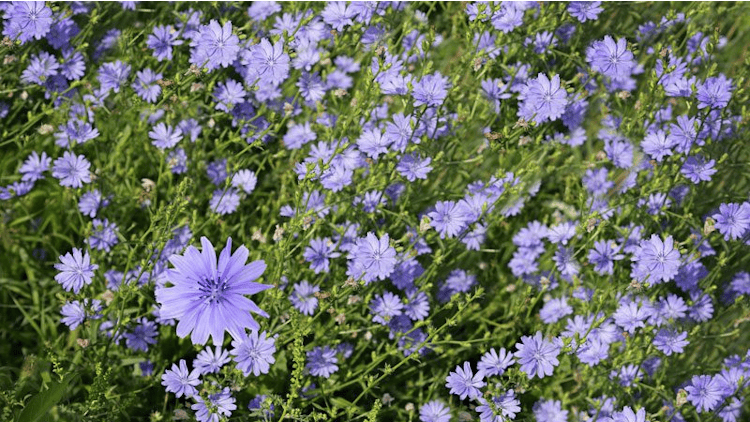
“What is a weed? A plant whose virtues have not yet been discovered.” – Ralph Waldo Emerson
The battle with weeds is a multibillion dollar industry. A visit to your local garden center will reveal aisle after aisle of cures for weed problems. These “cures” range from safe organic products on up to highly toxic, carcinogenic, ecologically destructive chemical compounds meant to be handled only with gloves and safety equipment.
But is any of that really necessary? Are weeds something we should declare war on? Perhaps not.
Weeds don't exist, as far as nature is concerned. Weeds are merely, as Emerson suggests, a nebulous and misunderstood collection of plant species that we humans have decided to categorize as “bad,” while other plants are considered “good.”
But weeds don't exist simply to make our lives difficult or to disrupt our garden plans (although it can feel that way sometimes). Rather, they are robust, well-adapted citizens that fulfill a specific niche in our local ecosystems. If you listen closely to them, you will discover that they have quite a story to tell.
What Are Weeds Good For?
Truth is, the much-maligned plants that we collectively label “weeds” have a number of roles to play in nature and in our lives. Not to mention, the flowers some of them produce are quite beautiful and colorful. Many of them, such as the humble dandelion, have long been hailed as sources of nutritious food and potent medicine (Dandy Blend coffee substitute, anyone?). Others, such as the Jimson weed and ragweed, have recently been found capable of cleaning up terrible pollutants in soil, including radioactive plutonium from nuclear waste sites.1
Weed species have also long been respected as potent sources of medicine. (Learn about 10 edible and medicinal weeds.) Back before every neighborhood had a pharmacy on the corner, people had to rely on the wisdom of healers and herbalists to cure what ailed them. More often than not, an ailment could be treated quite well with the healer's collection of extracts, decoctions, teas and poultices. And it's worth noting that many of the medicines and pharmaceuticals used today are no more than isolated compounds from the same healing weeds that our ancestors would have been familiar with.
Back in the days of widespread herbalism, if you had been suffering from the common cold or flu, your local healer would likely send you home with a few packets of antiviral, sweat-inducing yarrow tea to put you back on your feet in short order.2 If you had some nasty bumps and bruises, or even a broken bone, a strong poultice of comfrey (aka knit-bone) would have you healing quickly, due to its ability to stimulate rapid growth and repair of tissues at the cellular level.3
Even a serious and complicated ailment, such as congestive heart failure, would have been effectively treated with common foxglove, a plant whose compounds increase heart muscle strength and normalize an irregular heartbeat. In fact, foxglove compounds are sold today for that same purpose by pharmacies across America in the form of the drug Digoxin.4
Some of these same plant species have also been used for many thousands of years as food crops for humans and animals alike. The humble, perennial comfrey plant is the only land plant species to produce vitamin B12. Additionally, it offers a staggering 33% protein content — higher than most legume species. Traditionally, it was grown by the acre to provide a very high quality food crop for livestock, honored for its mineral content, and easy abundance, yielding nearly 20 times the amount of protein per acre than soybeans.5
So, next time you are feeling exasperated with the slow creeping spread of unwanted plants in your garden, or on your lawn, remember that they may actually be offering unseen gifts of food, medicine and soil health.
Weeds and Soil Health
From super-accumulators of heavy metals, to healing medicines and abundant but underutilized sources of food for humans and animals, weedy plant species truly have much to offer. But, an even more interesting and oft-overlooked value these species present to us is the function of messenger and teacher.
As any gardener can tell you, weed species tend to be quite robust and difficult to eliminate from our lawns and garden spaces. But this strength and tenacity is pretty specific to the habitat they have adapted to. Take away their favored habitat, alter the soil structure, pH balance, or moisture levels, and they will often shrivel up and disappear; no herbicide war required.
If you know what types of weeds prefer which specific environments and soil types, you can begin to understand the messages your weeds are sending you about the soil in your garden. You can glean a surprising amount of information by taking a stroll through the yard to find and identify the weeds growing there.
Some weeds prefer acidic soil, some like alkaline environments, and others require hard, compacted soil to thrive. It is interesting to note that, more often than not, the weed varieties growing in an area are actually working to repair, amend, or balance the soil during their stay. They are called pioneer species for this reason, as they are the front-line forces that are meant to prepare the soil for the natural succession of grassland and forest regeneration.
One specific example of this weedy intelligence is the mullein plant, a large, fuzzy-leafed species often spotted along roadways and around construction sites. Mullein has the special ability to punch through deeply compacted soil with a long, strong taproot, simultaneously loosening the soil and pulling fresh nutrients to the surface from the depths. If allowed to do their work for a few years, you will find that the once-compact, hard soil is much looser, softer and richer; ready to accept a new variety of plant species. At that point, the mullein will usually disappear on its own.
As is the case with mullein, once their job is complete, many weeds will yield the space to more permanent species, such as trees, shrubs and grasses, if left to their own devices. This is yet another fascinating, and beautiful, gift that these humble plants offer.
What are Different Soil Types?
If you'd rather take matters into your own hands and not wait years for weeds to work their slow magic, you can work to amend and repair the soil yourself, using the local weeds as indicators of your soil status.
Soil exists in many forms with each type retaining its own set of characteristics, benefits and obstacles for the gardener. Generally speaking, soil is categorized by pH, structure and moisture level, and each category tends to grow a specific set of weed species.
Soil pH is of primary importance to anyone hoping to find success in the garden as it is one of the main elements responsible for the availability of nutrients in the soil. Soil pH can range from acidic, as you might find around fertilized farmland and Conifer forests, to alkaline, which is more commonly seen in coastal areas and deserts.
Luckily, soil pH is relatively simple to change if your garden needs a little nudge in the right direction.
To balance acidic soil requires nothing more than a good dose of powdered calcium or lime, while balancing alkaline soil can be accomplished by adding sphagnum peat to the garden.
Beyond the pH scale, a gardener needs to know a bit about the structure of the soil they hope to work with, and here, too, a study of your weed species can tell you a lot.
Soil structure ranges from hard clay to loose sand, with a large range of variables in between. The structure of your soil will determine how well your plants are able to spread their roots, how water drains (or doesn't), how nutrients are carried, and how much oxygen is available to plant roots.
Too much clay and your plants will struggle to spread their roots or escape standing water, while too much sand will be unable to hold any nutrients or moisture at all, slowing starving your garden of food and water. Of course, most soil falls somewhere in between these two extremes.
However, if you are faced with a difficult or extreme soil structure, it can be amended. Too much clay? Add some sand along with a quality compost. Too much sand? A bit of clay and compost may be the ticket to a more balanced soil structure.
[gallery columns="2" size="large" link="none" ids="15015,15016"]
Knowing these basic categories of soil types, along with the preferred habitats of a variety of weed species, should give you a great start on identifying the type of soil you are working with. For example, you can tell your soil is likely to be:
Acidic, if you see...
Ox-Eye Daisies, Knapweed, Cinquefoil, Hawkweed, Plantain, Sow Thistle, Knotweed, Sheep Sorrel, Curly Dock, Wild Pansies, Wild Strawberries, or Bracken.
Alkaline, if you see...
Goosefoot, Chamomile, Bladder Campion, Field Peppergrass, Wild Carrot, Henbane, Mustard, Stinkweed, or Pennycress.
[gallery columns="2" link="none" size="large" ids="15018,15019"]
Wet or marshy, if you see...
Cattail, Horsetail, Moss, Buttercup, Goldenrod, Coltsfoot, Marsh Mallow, Miner's Lettuce, Bull Sedge, Foxtail, Poison Hemlock, Joe-pye Weed, May Apple, Meadow Sweet, Stinging Nettle, Ragwort, or Willows.
Sandy, if you see...
Cornflower, Toadflax, Nettle, Arrow-leafed Wild Lettuce, Field Bindweed, Maltese Thistle, Sandbur, or White Cockle.
[gallery size="large" columns="2" link="none" ids="15020,15021"]
Clay, if you see...
Dandelion, Plantain, Creeping Buttercup, Chicory, English Daisy, Milkweed, Canada Thistle, Plantain, or Broadleaf Dock.
Poor with little organic matter, if you see...
Dog Fennel, Sheep Sorrel, Toadflax, Broom Sedge, Tansy Mustard, Wild Parsnip, Wormwood, Yarrow, or Cockle-Burrs.
Fertile and healthy, if you see...
Burdock, Chickweed, Chicory, Groundsel, Pigweed, Pokeweed, Queen Anne's Lace, or Purslane.
[gallery size="large" columns="2" link="none" ids="15024,15025"]
Hardpan, or crusty, if you see...
Quack Grass, Mustard, Morning-Glory, Pineapple Weed, Pennycress, or Horse Nettle.
Disturbed soil layers, if you see...
Ragweed, Purslane, Dandelion, Chickweed, Pigweed, Lamb's-Quarters, Bindweed, Carpet Weed, or Mullein.
To Eliminate or Not to Eliminate Weeds
OK, but now what? How should this information be put to good use? How can weeds be eliminated, or tamed, with this knowledge? And is it even necessary to eliminate weeds in the first place? All good questions!
It can be useful to start thinking about weeds in a new light, as plants that are offering information, food and medicine. You may discover that they have great value in your own life and garden, if you take some time to get to know them.
For instance, some gardeners discover the joy of foraging wild edibles from their own backyard with their first meal of stinging nettle and mushroom stew. Some stumble upon the power of comfrey-enhanced compost to amend the soil and add a large dose of minerals to the garden. Still others find that the red clover growing among their vegetables seems to be helping the veggies thrive, so mercy is offered to these lowly, invasive species.
It is well worth dedicating a little bit of time to research the offerings of the humble denizens of the plant world, to understand their unique characteristics, before making the decision to eliminate them from your growing space.
Sometimes, however, a certain species will thrive just a little too much and begin to overpower the plants that we desire to cultivate. In those cases, instead of reaching for a bottle of toxic herbicide to take care of the problem, consider some of these friendlier options:
- Apply mulch (old hay, straw, leaves, wood chips, etc) 8-12-inches deep, between plant rows and around plants to smother weeds and prevent germination of weed seeds.
- Make your own non-toxic weed spray by mixing ½ C of sea salt, ¼ C liquid dish soap, and 2 quarts apple cider vinegar. Add to spray bottle, and use on any stubborn weeds you want to remove.
- Use the list above to determine what soil type your weeds are revealing, and amend the soil to eliminate the habitat that your problem weeds favor. For example, if your weeds tend to love acidic soil, a simple addition of calcium pearls or powder to the soil can change the pH enough that the acid-lovers are discouraged and disappear. Similarly, if you struggle with varieties of weeds that prefer hard-pan, clay, or poor soil, a good dose of quality compost will often eliminate the problem.
If you believe, like I do, that Emerson had a point, perhaps now you will go forward and see the world of weeds with new eyes. Maybe, instead of waging war, we can work toward a fresh understanding of these humble species, and discover a new world of food, medicine and healthy soil in the process.
Now, if you'll excuse me, I think I'll go make myself a cup of Dandelion tea.
REFERENCES:
1 http://www.nytimes.com/1992/09/08/science/scientists-using-plants-to-clean-up-metals-in-contaminated-soil.html?pagewanted=all
2 http://www.ncbi.nlm.nih.gov/pubmed/23959026
3 https://hort.purdue.edu/newcrop/afcm/comfrey.html
4 http://www.bris.ac.uk/Depts/Chemistry/MOTM/digitalis/digtalis.htm
5 "Comfrey: Fodder, Food & Remedy" by Lawrence Donegan Hills
ADDITIONAL READING:
"Gaia's Garden" by Toby Hemenway
"Gardening with Less Water" by David A. Bainbridge (BK560)
"The Resilient Gardener" by Carol Deppe (BK145)
"Growing Food in a Hotter, Drier Climate" by Gary Paul Nabhan (BK540)
"The Seed Garden" by Lee Buttala and Shanyn Siegel (BK539)