If you have arthritis or a similar condition, you’ve probably talked with your doctor about adopting an anti-inflammatory diet. Though many people with other health concerns are also following some version of it, an anti-inflammatory diet is based on the idea of reducing the risk of chronic, often age-related, diseases and improving overall health.
Dr. Megan Golani, an assistant professor at the National College of Natural Medicine in Portland, Ore., talks a lot about the anti-inflammatory diet in the classes she teaches. She explained that the anti-inflammatory diet is not a short-term program like popular weight-loss diets, but a way of eating tailored to the individual.
“Naturopathic medicine tries to look at an individual’s makeup,” she said. “What it comes down to is that people need to eat real food."
"We’ve seen an increase in chronic, degenerative diseases that could be helped by eating more whole foods. Heart disease, cancer, diabetes, auto-immune conditions, allergies, pain anywhere — it’s all inflammation based. Research shows that when we eat whole foods that are anti-inflammatory, we all do better.”
Golani, who is also an attending naturopathic physician at the college’s clinic, said foods that increase prostaglandin production in the body, known as PGE 1 and 3, help regulate or reduce inflammation and allergies. On the other hand, foods that increase PGE 2 prostaglandin production stimulate inflammation and promote allergies, fever, blood clotting (good when you have an accident), and more.
Foods known to stimulate inflammation include meat, dairy products, fried foods, sugar, refined oils, refined grains and in some people, wheat and other gluten-containing foods — in other words, the usual dietary suspects. But what to eat more of and what to limit is more complex in the anti-inflammatory diet. Some foods that many think are healthy may have nutritional value, but are not anti-inflammatory.
“We know from their color that sweet potatoes and winter squash are high in healthy antioxidants,” Golani said. “However, they are very sugary and high in carbohydrates, so eat them sparingly.”
Regular potatoes are best avoided because of their high-glycemic profile. Plus, they belong to the nightshade family of plants that tend to increase inflammation for some people, along with tomatoes, eggplant and peppers. For people who can tolerate grains, Golani’s advice is to stick with whole grains such as brown rice, wheat berries and oat groats and avoid refined grains in an anti-inflammatory diet.
“Some people who eat a vegan diet or a paleo diet, for example, might still need to eat more leafy greens and less processed food to reduce inflammation,” Golani said.
Foods that help reduce inflammation include herbs, fish, nuts and dark leafy greens. Golani’s top picks for anti-inflammatory foods include the following:
GOOD, HEALTHY FATS
Use virgin olive oil for low to moderate heat cooking and organic, unrefined coconut oil for higher heat cooking. Coconut has medium chain triglycerides that are good for energy. This is the research that has changed from 30 years ago, Golani said. Avocados are good as well as pastured butter.
FISH & OMEGA-3s
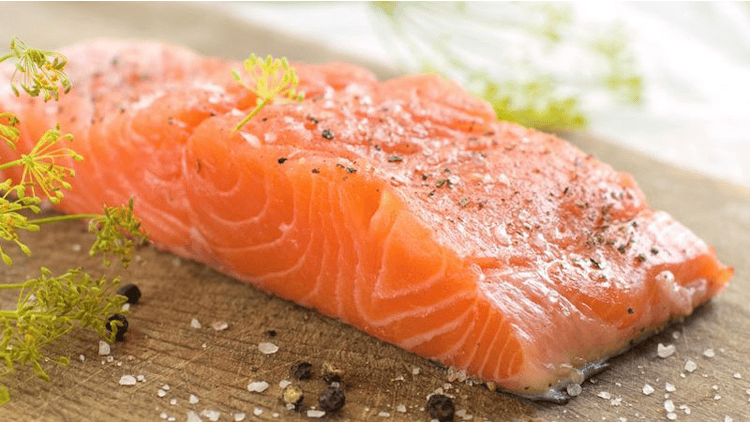
For abundant omega-3s and the desirable PGE 1 and 3 in an anti-inflammatory diet, choose fatty fish that are lower on the food chain: salmon, sardines and mackerel, fresh or canned. Be smart and pay attention to mercury levels in some fish, said Golani. A good guide to mercury levels in fish is available from the Natural Resources Defense Council, www.nrdc.org/health/effects/mercury/walletcard.pdf.
HEALTHY NUTS & SEEDS
Flax, hemp and chia seeds are high in omega-3s. Flax seeds need to be ground. Walnuts, almonds and pumpkin seeds are good choices, too. Nuts have a protective coating so sprouting can help with digestion, though it’s not essential. Peanuts, which are a legume rather than a true nut, can cause inflammation. Try other anti-inflammatory nut and seed butters, especially those without sugar.
DARK, LEAFY, GREEN VEGETABLES
All of the cruciferous vegetables promote detoxification. The darker ones have the most antioxidants, but all are good, including organic white and purple cauliflower, Brussels sprouts, collards, kohlrabi, cabbage, kale and broccoli (see Azure's Produce Page for what's seasonally available). Steam, bake or add them to a stir-fry cooked over low to moderate heat.
BENEFITS OF BEETS
A little high in sugar but good for liver detoxification, red and yellow beets are nutrient-rich vegetables that make a great side dish. They are high in vitamins, iron and magnesium, and apart from being delicious, they are also anti-inflammatory.
ANTI-INFLAMMATORY MUSHROOMS
Great for the immune system and as a cancer preventive, organic mushrooms can be eaten several times a week. The more expensive Asian mushrooms such as shitake and maitake are wonderful, but even button mushrooms have ant-inflammatory properties. Sauté with garlic, ginger and turmeric for a delicious side dish to any meal.
BLUEBERRIES
These berries can reduce inflammation, are good for the eyes and brain, and are cancer preventive. Frozen or fresh, blueberries are also high in antioxidants and have a low-glycemic index.
GARLIC, GINGER & TURMERIC
These three herbs used as seasonings should be included in at least one meal every day in an anti-inflammatory diet. Sauté garlic with kale. Add fresh ginger to stir-fry dishes and drink ginger teas. Turmeric, ground or fresh, can be added to foods with very little taste. Add ginger and turmeric to coconut milk (also anti-inflammatory) with a little honey for a soothing hot drink known as Golden Tea. Turmeric is one of the most studied medicinal plants and can be found in packaged teas, too, Golani said.
FERMENTED FOODS
Include sauerkraut, miso, a little yogurt or kefir in your meals. “Most people’s bellies would benefit from the probiotics they provide for digestion,” Golani said.
GREEN TEA
A great source of antioxidants with less caffeine than black teas, green teas are good to drink daily. If you don’t like plain green tea, try a green tea with jasmine, toasted rice or another ingredient that you enjoy, such as ginger.
There are many anti-inflammatory drugs and supplements on the market, but eating a diet rich in whole foods that have anti-inflammatory properties is likely to do a better job of reducing inflammation. In addition, whole food nutrients can benefit all of the body and are unlikely to cause side effects. And that’s a healthy win for everyone.